


International cooperation against organized crime, narcotics trafficking, smuggling, cyber-enabled crime and other cross-border threats depends on clear communication between institutions.
International police training, congresses, workshops, delegation visits and specialist meetings often involve dense professional terminology and carefully structured institutional communication.
In these settings, language proficiency alone is not enough. A law enforcement interpreter must follow the subject, understand the meeting format and convey the speaker's message accurately without changing its purpose or tone.
Depending on the program, support may include consecutive interpreting, simultaneous interpreting and delegation liaison assistance.
The Interpreter's Role in International Police Training
During international training programs, specialists may share operational practices, technical systems or institutional experience with participants from other countries.
Sessions can combine classroom presentations with demonstrations, practical exercises and site visits. Common subject areas include:
- Organized-crime investigations
- Narcotics enforcement
- Anti-smuggling work
- Forensic and criminal laboratory examinations
- Police dogs and K9 applications
- Intelligence methods
- Information technology and police systems
- International police cooperation
- Public order
- Cross-border crime
The interpreter must therefore communicate more than individual words. The trainer's meaning has to be conveyed within the correct professional and institutional context.
Consecutive Interpreting for Police Training
Consecutive interpreting is often effective for practical training and small-group work. The speaker delivers a manageable segment and then pauses while the interpreter conveys it in the target language.
This format is particularly suitable for:
- Hands-on training
- Question-and-answer sessions
- Group exercises
- Technical demonstrations
- Field and institutional visits
- Internal meetings
Strong note-taking is essential. Operational procedures, figures, dates, institutional names and technical expressions must be followed and delivered accurately.
Simultaneous Interpreting for Police Congresses
Large police congresses, international conferences and seminars generally benefit from simultaneous interpreting. The interpreter listens and delivers the target-language message with only a short delay.
This prevents the agenda from doubling in length and allows participants from different countries to follow presentations in their preferred language.
Simultaneous interpreting can be appropriate for:
- International police congresses
- Conferences and seminars
- Multinational security meetings
- Specialist panels
- Senior-level law-enforcement meetings
Long programs normally require interpreters to work in teams so accuracy and concentration can be maintained throughout the event.
Interpreting for Cross-Border Police Cooperation Meetings
International police cooperation also takes place in smaller specialist meetings involving two or more law-enforcement bodies.
The agenda may cover:
- Joint projects and training programs
- Technical methods
- Institutional information sharing
- New technologies
- Cross-border crime
- Operational practices
The interpreter needs to follow both institutional and technical terminology while remaining a neutral channel of communication.
Interpreting for Interpol-Related Meetings
Meetings connected with international police cooperation may involve representatives from several countries and terminology that differs significantly from everyday English.
Topics can include:
- International criminal networks
- Wanted persons
- Data and intelligence exchange
- Institutional procedures
- Operational coordination
- International information systems
Familiarity with international police terminology and institutional working practices helps the interpreter prepare efficiently and maintain consistency during the meeting.
Interpreting for Organized-Crime Training
Organized-crime work is one of the most terminology-intensive areas of law-enforcement interpreting.
Training and meetings may address:
- Structures of criminal organizations
- Financial crime
- Investigation methods
- International criminal networks
- Smuggling
- Evidence gathering
- Inter-agency coordination
The interpreter needs a working understanding of the broader subject as well as the individual terms used by the speakers.
Interpreting for Narcotics-Enforcement Training
International narcotics training uses highly specialized language. Presentations may address controlled substances, trafficking methods, investigation techniques, international cooperation and operational practices.
Preparation should cover:
- Names and categories of substances
- Law-enforcement terminology
- International crime concepts
- Operational narratives
Consistent terminology is especially important when specialists from several countries participate in the same program.
Forensic Police Laboratories and Criminal Examination
Training and meetings involving police forensic laboratories combine law-enforcement vocabulary with scientific and technical terminology.
Possible subjects include:
- Evidence analysis
- Laboratory methods
- Forensic examination
- Sample analysis
- Technical instruments
- Reporting methods
The interpreter must be able to follow both the policing context and the technical process being explained.
Interpreting for Police Dog and K9 Training
International programs involving police dogs and K9 units are often highly practical and may take place on a training field rather than in a classroom.
Sessions can cover:
- Search methods
- Scent tracking
- Training techniques
- Canine behavior
- Operational deployment
- Narcotics or explosives detection
The interpreter may need to work while moving with the group and support rapid exchanges between the trainer and participants.
Interpreting in Police Intelligence Settings
International police-intelligence meetings involve institutional language and specialized terminology. Presentations may concern information collection and assessment, international coordination or information systems.
Confidentiality and professional conduct are particularly important. Information heard during an assignment must be handled within the interpreter's duty of professional secrecy and any applicable institutional procedure.
Information Technology and Police Systems
Modern law-enforcement agencies depend heavily on information technology. International meetings and training may address:
- Police information systems
- Databases
- Digital infrastructure
- Secure communications
- Data sharing
- Software applications
These projects require the interpreter to adapt to both police terminology and the language of information technology.
External Relations and International Police Cooperation
External-relations units maintain contact with police organizations in other countries through official delegation visits, bilateral meetings, working groups and training programs.
The interpreter must convey formal institutional language as accurately as technical content. In senior-level meetings, preserving the speaker's tone and manner of expression is also important.
Our Law-Enforcement Interpreting Experience
Direct familiarity with different units and working environments is a significant advantage in law-enforcement interpreting. Our assignments have included consecutive and simultaneous interpreting during international training, meetings and institutional programs involving different units of the Turkish National Police.
Turkish International Academy Against Drugs and Organized Crime (TADOC)
Interpreting for international training programs and specialist subject areas.
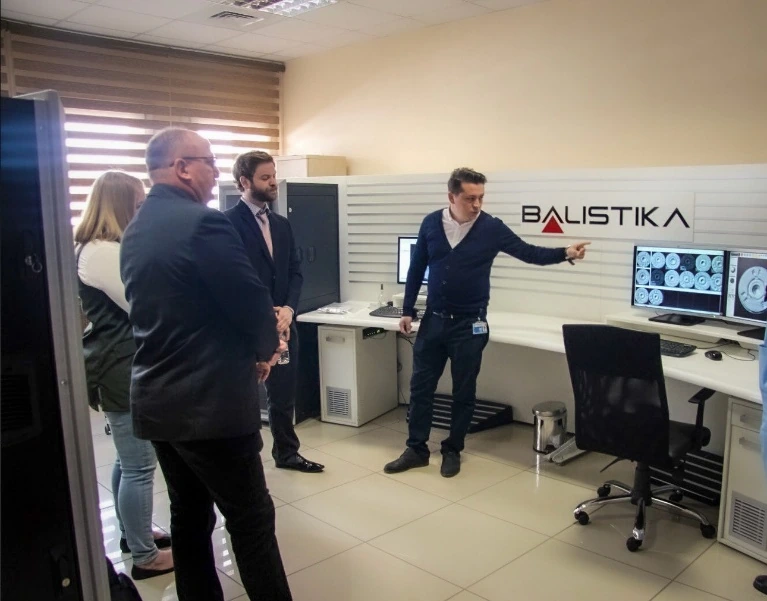
Police Forensic Laboratories
Interpreting for meetings and training connected with forensic examination, laboratory processes and forensic science.
Interpol-Related Cooperation
Interpreting for international police cooperation and meetings between law-enforcement representatives from different countries.
Anti-Smuggling and Organized Crime
Interpreting for training and meetings concerning smuggling, organized crime and international law-enforcement cooperation.
Police Dog Training Centre
Interpreting for training concerning police dogs and operational K9 applications.
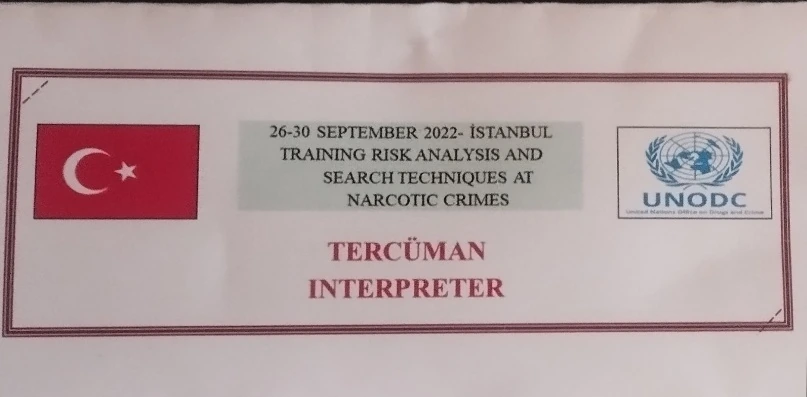
Narcotics Enforcement
Interpreting for international programs on narcotics crime, operational methods and cooperation.
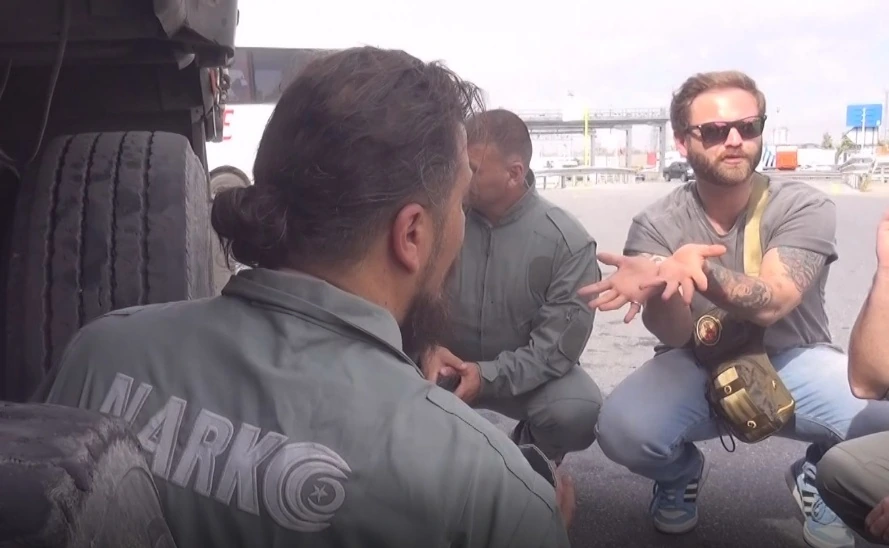
Narcotics Training Academy
Interpreting for specialist training on narcotics enforcement and operational methods.
Public Order
Interpreting experience in meetings and training concerning public order and policing practices.
Police Intelligence
Professional interpreting for international meetings connected with police intelligence.
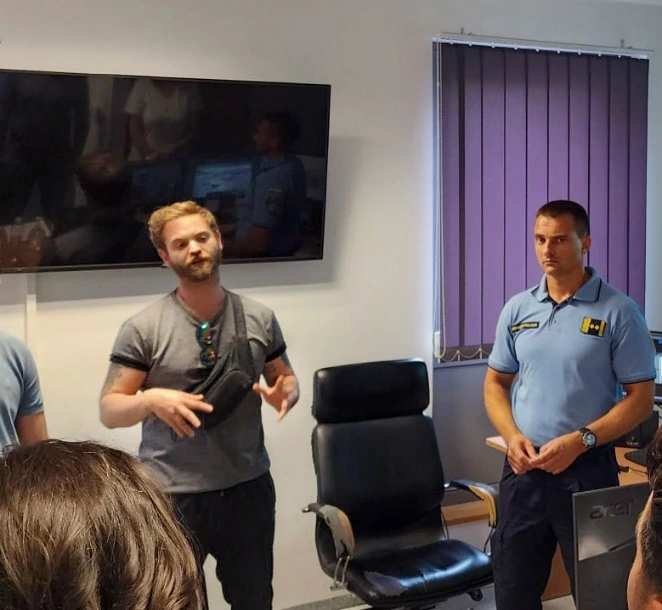
Information Technology
Interpreting for international work involving police systems and information technology.
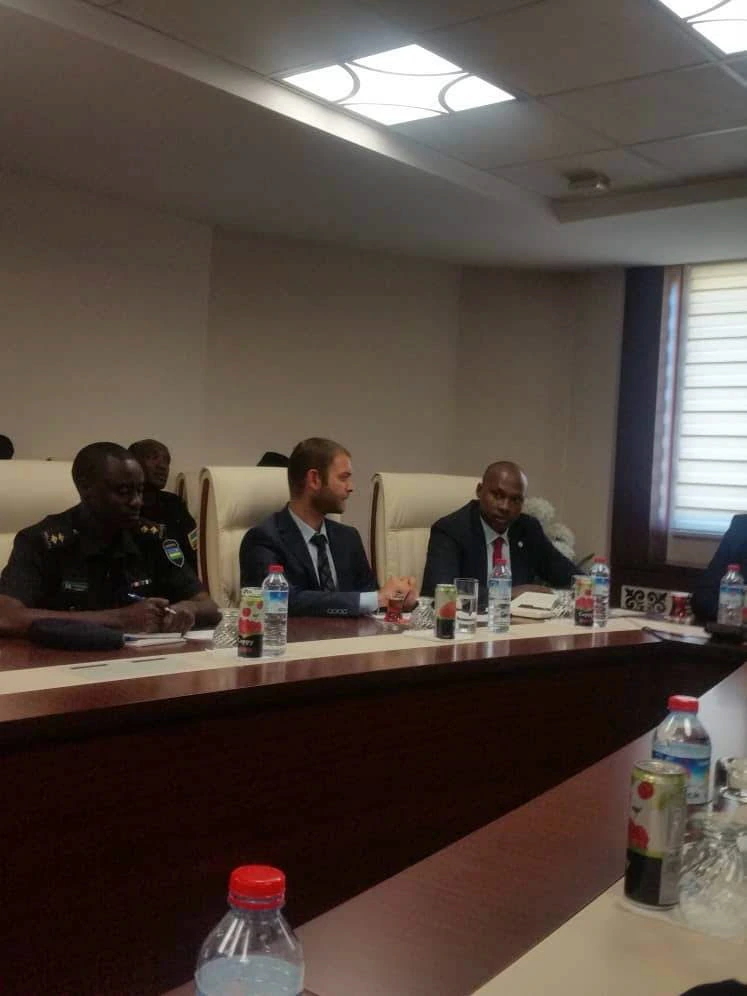
External Relations
Interpreting during international police cooperation activities and meetings with foreign delegations.
This breadth of experience provides direct familiarity with terminology and institutional communication across different law-enforcement functions.
Why Choose an Interpreter with Law-Enforcement Experience?
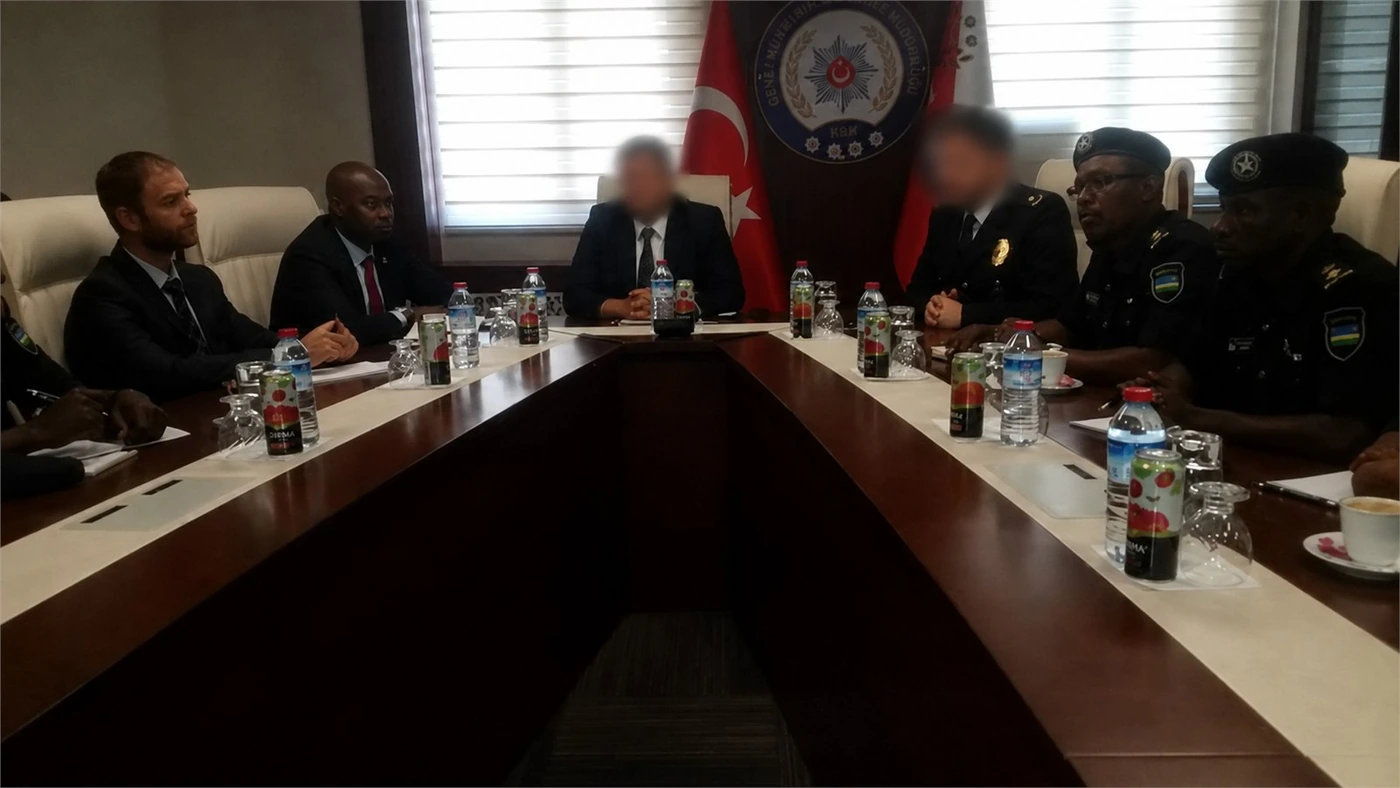
The language of a general business meeting is different from the language used in international police training.
An experienced police interpreter:
- Is familiar with law-enforcement terminology
- Understands the general functions of different police units
- Can prepare for technical terminology more efficiently
- Is accustomed to formal institutional meeting structures
- Treats sensitive information with professional confidentiality
- Can adapt to consecutive and simultaneous settings
This background can make an important difference in programs with a high concentration of specialist terminology.
Preparing for International Police Training
Advance preparation is essential. Where permissions allow, the interpreter should receive:
- The training agenda
- Presentations
- Speaker information
- Technical documents
- Institution and department names
- Abbreviations
- Terminology lists
Preparation becomes even more valuable when specialists from different countries and several law-enforcement units participate in the same program.
Planning Interpreters for Multi-Day Police Training
International police training may run for several days or weeks and combine several formats:
- Classroom presentations
- Practical exercises
- Field visits
- Working groups
- Institutional visits
Planning should consider the complete agenda, not only the daily hours. Some sessions may require consecutive interpreting while larger plenary sessions may need simultaneous interpreting and a team of interpreters.
Technical Equipment for Police Congresses
When simultaneous interpreting is used, the technical system is critical. Depending on the event, the setup may require:
- An interpreter booth
- Interpreter consoles
- Headsets and receivers
- A suitable microphone system
- Technical staff
Interpreters must hear every speaker clearly. Testing the audio and language channels before the event is therefore strongly recommended.
Online and Hybrid International Police Meetings
International police cooperation does not always require every participant to be in the same room. Specialists can meet through Zoom, Microsoft Teams or another secure platform approved for the program.
Possible formats include:
- Remote consecutive interpreting
- Remote simultaneous interpreting
In a hybrid event, some participants are in the room while others join remotely. The platform, audio routing and interpretation channels must be tested in advance.
Confidentiality and Professional Practice
Law-enforcement training and meetings may involve sensitive information. The interpreter must pay particular attention to:
- Professional confidentiality
- Institutional procedures
- Meeting rules
- Avoiding unauthorized disclosure
Where required, the assignment can be managed under a confidentiality undertaking or other applicable institutional procedure.
Law-Enforcement Interpreters in Ankara
Ankara is home to central units of the Turkish National Police and many international institutions, making it an important location for police training and international security meetings.
Professional consecutive or simultaneous support can be planned for:
- International police training
- Police congresses
- Visits by foreign police delegations
- Interpol-related meetings
- Technical workshops
- Institutional training programs
- Inter-agency meetings
Project-based interpreting can also be arranged for law-enforcement programs elsewhere in Türkiye.
How to Request a Quote
To prepare an appropriate interpreting plan, share the information that can be disclosed at the quotation stage:
- Event dates and daily schedule
- City and venue
- Language combination
- Participating countries
- Training or meeting subject
- Number of participants
- Consecutive or simultaneous interpreting requirement
- Technical-equipment requirement
- Available presentations or training material
If some details are confidential, a general description sufficient for scheduling, expertise selection and pricing can be provided initially.
Experienced Support for International Police Training and Meetings
Communication between law-enforcement organizations requires specialist terminology, careful preparation and professional discipline.
Practical experience across narcotics and organized-crime training, international cooperation, forensic laboratories, K9 programs and technical police systems helps the interpreter prepare more efficiently for a new assignment.