


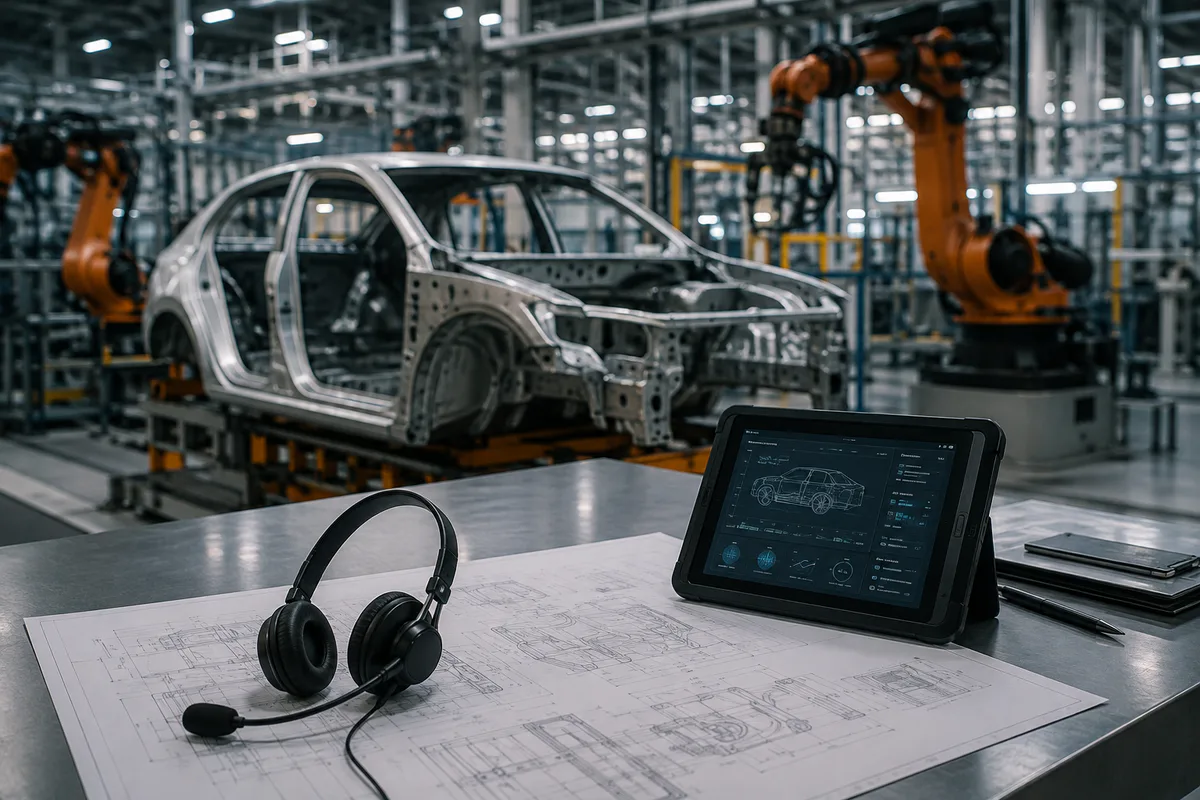
Technical interpreting for automotive supplier visits in Türkiye helps purchasing, engineering, production and quality teams discuss the same details with a shared understanding. A drawing revision, measurement result or delivery condition can matter as much as the overall presentation. The interpreter needs the subject, language directions and visit programme in advance.
Selecting a new supplier, reviewing ongoing production and following up a quality issue involve different conversations. This guide helps international buyers and Turkish manufacturers define the language support needed before the team reaches the factory gate.
Where Does an Automotive Supplier Visit Need an Interpreter?
A visit may combine an opening meeting, factory tour, document review and closing discussion. Purchasing staff might discuss cost assumptions in the morning, followed by engineers examining a welding process or measurement method. Breaking the programme into these activities helps match the interpreter’s preparation to the work.
- Supplier introductions: Product families, manufacturing capabilities, project scope and each team’s responsibilities.
- Production reviews: Process sequence, machinery, fixtures, maintenance and checks carried out on the line.
- Quality discussions: Nonconformity records, measurement reports, traceability and follow-up actions.
- Commercial meetings: Quotation assumptions, packaging, shipment arrangements, lead times and unresolved questions.
Tell the language provider whether the visit is exploratory or part of an established programme. A general factory introduction and a detailed discussion of a recurring part defect require different preparation, even when they take place at the same facility.
Keep Part Numbers, Drawings and Revisions in View
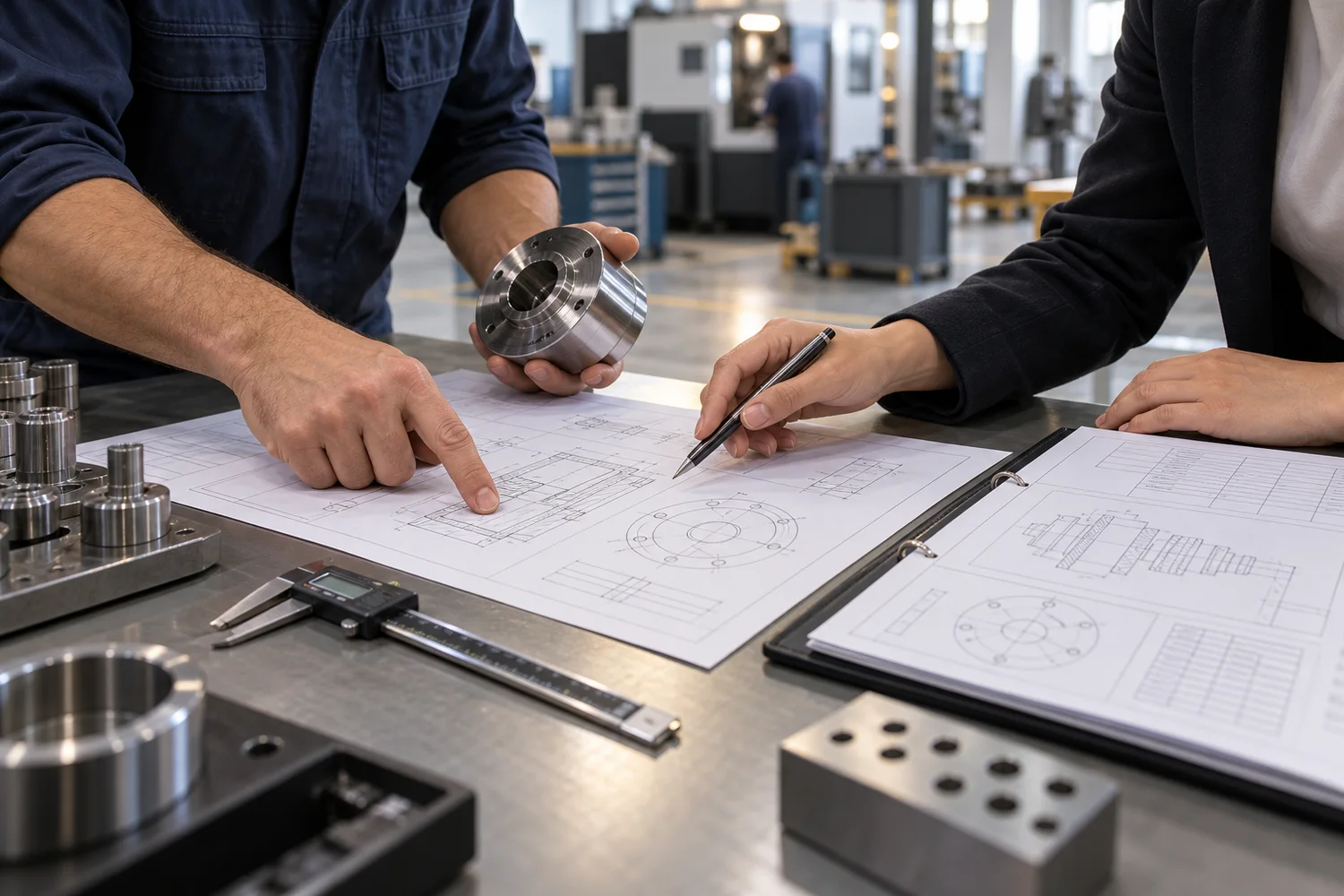
Two similar-looking components may belong to different revisions. Before discussing a part, identify its number, drawing reference and revision. When dimensions, tolerances or units are mentioned, show the relevant callout or line. If the meaning remains unclear, ask the responsible engineer to explain it.
For example, one team may be reading an earlier drawing while the other is inspecting the latest sample. Fluent interpreting cannot resolve that mismatch on its own. The interpreter helps the teams identify and discuss it; the authorised technical team decides which document applies and whether a part is acceptable.
Use a common screen or an agreed set of printed references where permitted. This also helps participants distinguish a proposed change from an approved revision. Avoid leaving the interpreter to infer document status from an unlabelled photograph or a passing remark.
Prepare APQP, PPAP, FMEA and Supplier Quality Terminology
AIAG’s automotive Quality Core Tools include APQP, Control Plan, PPAP, FMEA, MSA and SPC. Their relevance to a particular visit depends on the customer requirements and programme. Share the actual project stage, document names and sections to be discussed rather than assuming every supplier meeting uses the same requirements.
A useful glossary includes the term, its preferred Turkish or other-language equivalent, context and a document reference. Internal abbreviations, machine names and customer-specific language can be especially helpful. Ask a technical owner to confirm preferred terms; the interpreter should not invent an acceptance criterion to fill a gap.
Consecutive or Simultaneous Interpreting for a Factory Visit?
Consecutive interpreting often suits smaller supplier meetings and production tours with planned stops. The speaker pauses after a meaningful section, the interpreter delivers it, and the discussion continues. Allow for that additional speaking time and keep to one speaker at a time.
Simultaneous interpreting can suit larger presentations or technical training delivered to a multilingual audience. It requires an appropriate audio arrangement, microphone discipline and a properly planned team. A headset system does not solve every noisy-factory problem: audibility, movement and the host’s site rules still need checking.
A mixed programme can use simultaneous interpreting for an opening presentation and consecutive interpreting on the line. Choose by activity, language directions, duration and environment. Participant numbers alone do not determine the right format.
What Should You Send the Interpreter Before the Visit?
Provide a focused preparation pack rather than an entire archive. Use current versions and share only information you are authorised to disclose. Where customer or product data is confidential, agree access, transfer and retention arrangements before sending the files.
- Programme: Dates, city, facility, daily hours and separate meeting and production-tour activities.
- Technical scope: Product family, part numbers, selected drawings, current revisions and a process summary.
- Discussion material: Presentations, relevant control-plan sections, reports and the questions likely to be raised.
- Languages and people: Language directions, participants’ roles and any groups that will work in parallel.
- Site conditions: Visitor induction, protective equipment, photography and phone rules, and access permissions.
Manage Production-Floor Questions and Quality Follow-Up Clearly
Follow the host’s safety instructions and use suitable stopping points for explanations. Instead of continuing a long discussion beside operating equipment, move to a place where everyone can safely hear. An inaudible value or unfamiliar abbreviation should be repeated or clarified.
When discussing a nonconformity, distinguish the observation, the supplier’s explanation and any proposed action. The interpreter attributes statements to the relevant speaker and conveys them without softening or strengthening the message. Part identifiers, measurement values and action dates deserve explicit confirmation.
At the closing meeting, read back open points with the relevant part or document, responsible person and target date. If written minutes or a translated report are required, scope that deliverable separately. An interpreting assignment does not automatically include an approved technical report.
Arrange Automotive Interpreters Across Türkiye
TG Interpreting is headquartered in Ankara and can plan assignments through its network of local interpreters in every city in Türkiye. Share the facility address and language pair for visits in Bursa, Kocaeli, Sakarya, İstanbul, Ankara or elsewhere. Relevant subject experience and availability for the requested date are confirmed for each assignment.
A programme covering several factories or simultaneous groups may need more than one interpreter. Set out working hours, travel, waiting time, preparation and any equipment in the quotation. This is particularly useful when engineering and purchasing teams split into separate sessions.
Request a Quote for Your Automotive Supplier Visit
Send the date, city, language pair, participant numbers, daily programme and product or process topic. Explain whether the visit concerns supplier selection, training, quality follow-up or commercial negotiation. You can discuss a suitable sharing method before sending confidential documents.
Automotive Supplier Interpreting: Frequently Asked Questions
Is a general business interpreter enough for an automotive visit?
It depends on the technical depth. Discussions involving drawings, production processes and quality records need an interpreter who can prepare for that subject. Consider relevant experience and document preparation alongside language skills.
Will the interpreter approve a PPAP file or provide quality consultancy?
The interpreter conveys the discussion and explanations. Engineering approval, conformity decisions and quality consultancy carry separate responsibilities. Define the assignment and any required deliverables before the visit.
Can technical documents also be translated?
Yes. Drawing notes, presentations and reports can be scoped as a separate written translation project. Provide the format, volume, deadline and terminology-review arrangements. Confirm any certification or notarization requirement with the receiving organisation.
Can one interpreter cover several production lines on the same day?
That can be planned if the schedule, distances and working conditions allow it. If groups divide and work simultaneously, one interpreter cannot support them all. Confirm the routes, timing and language directions before the quotation is finalised.